Recognize the signs before a bigger issue hits
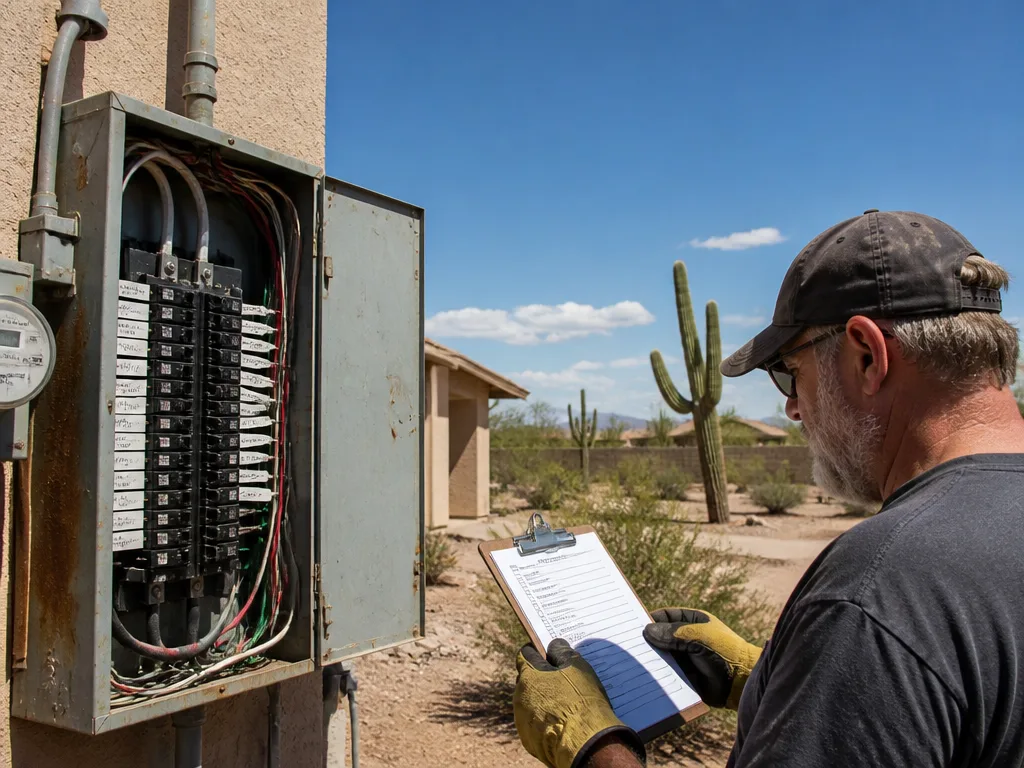
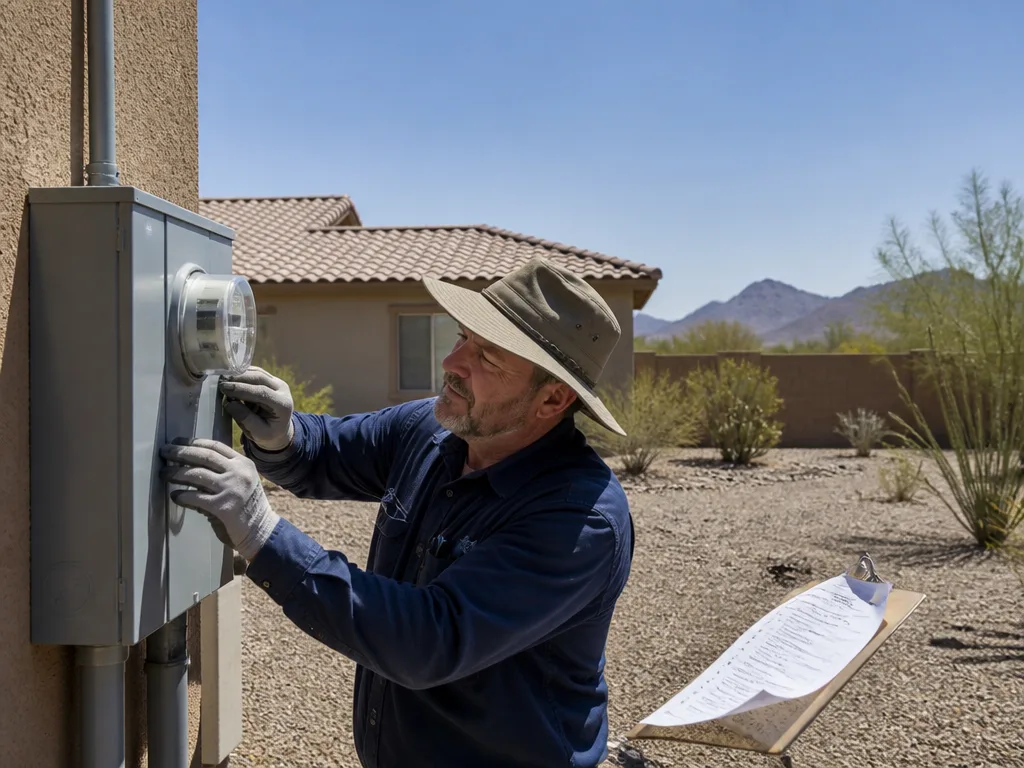
Electricians in Arizona see a pattern when something starts to fail. If you notice flickering lights, outlets or switches that feel warm, or a breaker that trips frequently, that is a signal something in the system needs attention. These are not isolated to one city or neighborhood; they can appear anywhere in Arizona homes, from the desert to the valley, and across every Arizona metro area.
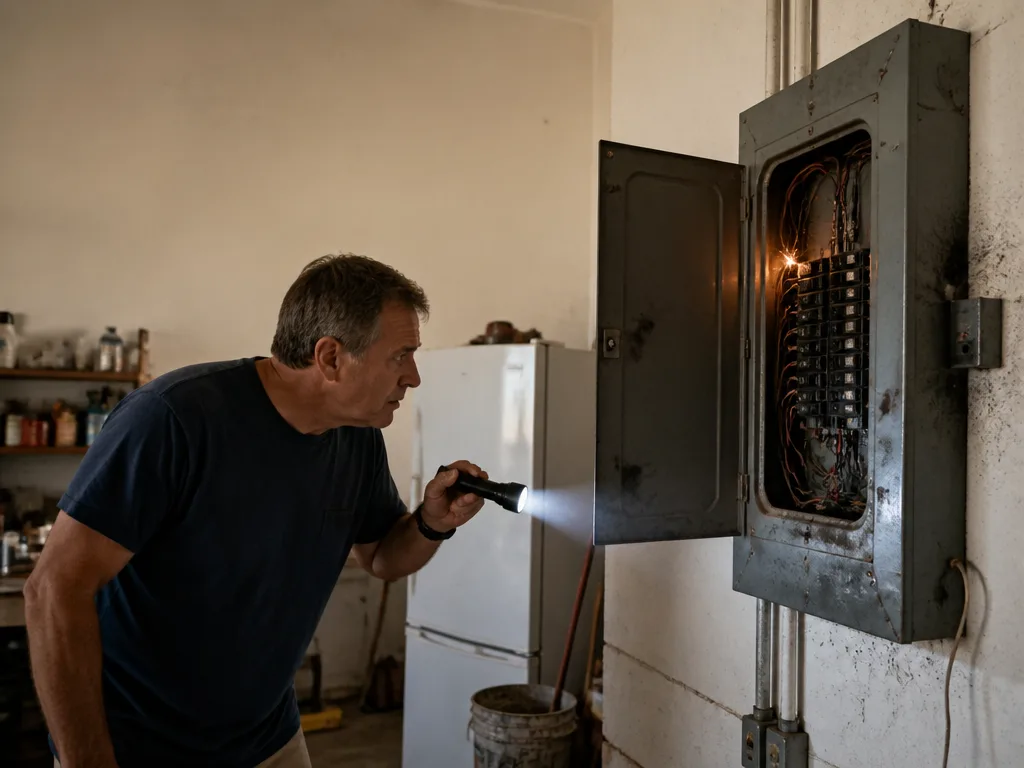
Flickering lights can indicate loose connections or overloaded circuits. A switch that feels warm to the touch may point to a failing device or an overtaxed circuit. Frequent breaker trips often mean you have an overloaded circuit or a fault in the wiring that should be inspected by an electrician. Don’t ignore buzzing outlets or a breaker that resets with a strong smell of burnt plastic. These are all strong indicators that a professional needs to take a look.
What to do when you notice warning signs
First, stay safe. If you smell burning or hear crackling, shut off power at the main breaker if you can do so safely, and call an electrician right away. For other signs, avoid using the affected outlets and reduce load on nearby circuits until a pro can assess the situation. Across Arizona, crews respond to these early indicators to prevent fires and further damage.
When you call, give the electrician as much detail as possible: where the issue is, what electrical devices are involved, and whether the symptom is constant or intermittent. Arizona Pool Wiring serves homeowners statewide and can help determine if the problem is a simple fix like a loose connection or something that requires a more extensive treatment of the electrical system.
Typical fixes and what to expect
A common fix might be tightening a connection, replacing a tired outlet, or upgrading a small portion of the circuit. In some cases, the electrician may install arc fault or ground fault protection for improved safety. The goal is to restore stable operation across the affected circuits while maintaining compliance with local codes. In Arizona, a statewide approach helps ensure the same safety standards apply no matter where you are.